English Language · Idioma · Langue · Lingua · Язык
语言 · भाषा · اللغة · زبان
On August 26, 1975, a crowd in the square at Rio Maior nearly killed Dr. Manuel’s father, Joaquim (Jack) Manuel, Jr., and the day set the course of his scholarship.
Half a Century with April 25
April 25 has been part of Dr. Manuel’s life for half a century, and the subject of his scholarship for almost forty years. It reached his family on the morning of August 26, 1975, in the square at Rio Maior, where a crowd in the middle of the revolution’s Verão Quente [Hot Summer] nearly killed his father. The revolution caught his father that morning like a whirlpool, and in time it drew the son in after him.
Dr. Manuel has spent his career trying to make sense of that whirlpool — of how a coup made by a group of captains in Lisbon became a long contest over democratization and leadership, over human choice in a season of real uncertainty, and over the part a single individual can play in history, and of how history, once it takes hold of ordinary people, carries them where it will.
Rio Maior, August 26, 1975
The day the revolution found his father

A Visit to Alcanede
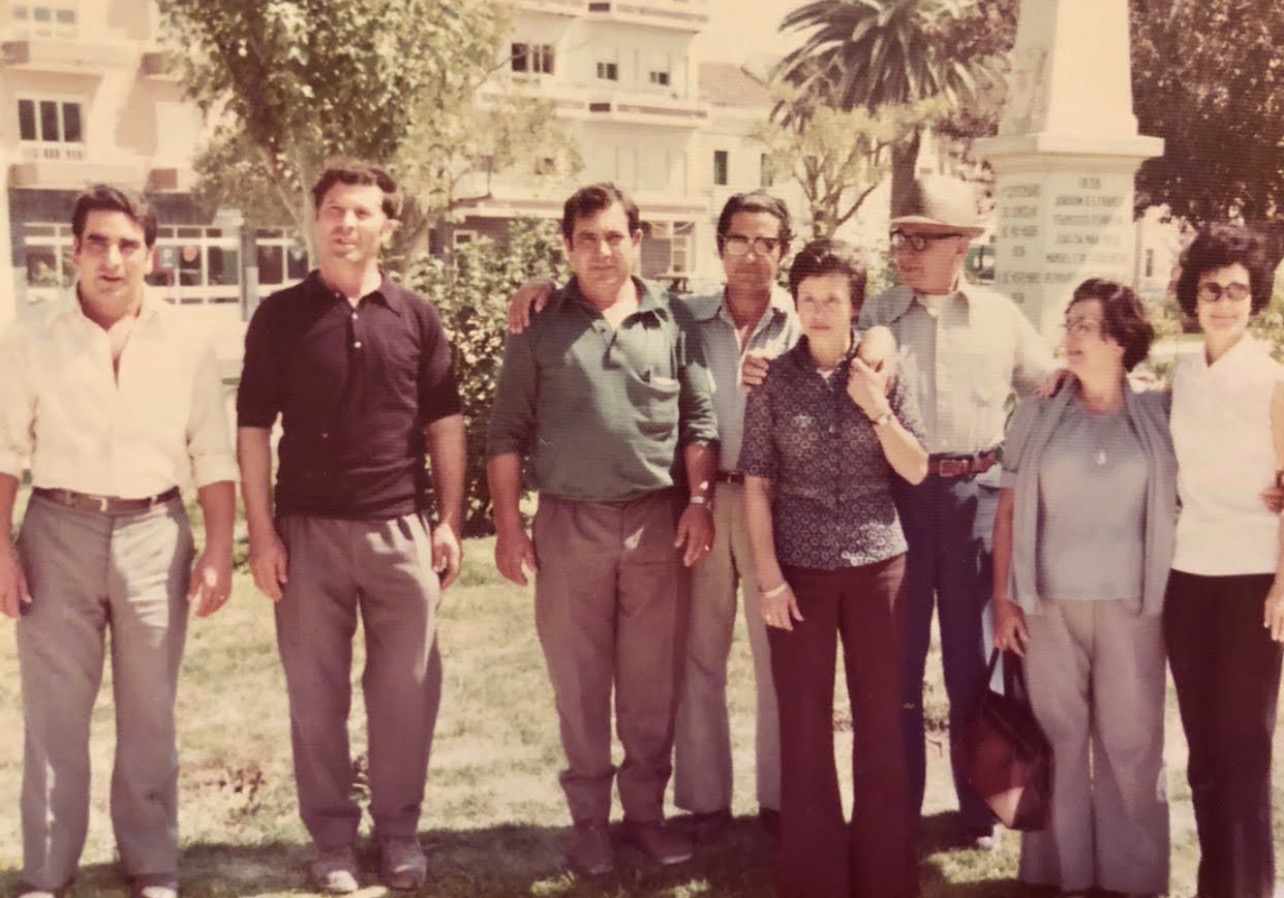
On the morning of August 26, 1975, in the middle of the Verão Quente [Hot Summer] of the revolution, Joaquim Manuel, Jr. — Dr. Manuel’s father, known to family and friends as Jack — drove into Rio Maior. He had come to Portugal with his parents, Joaquim Manuel, Sr., and Maria Rosa dos Santos Manuel, to put flowers on his grandmother’s grave in Alcanede, and the family was visiting relatives in the villages around Xartinho.
In the Square
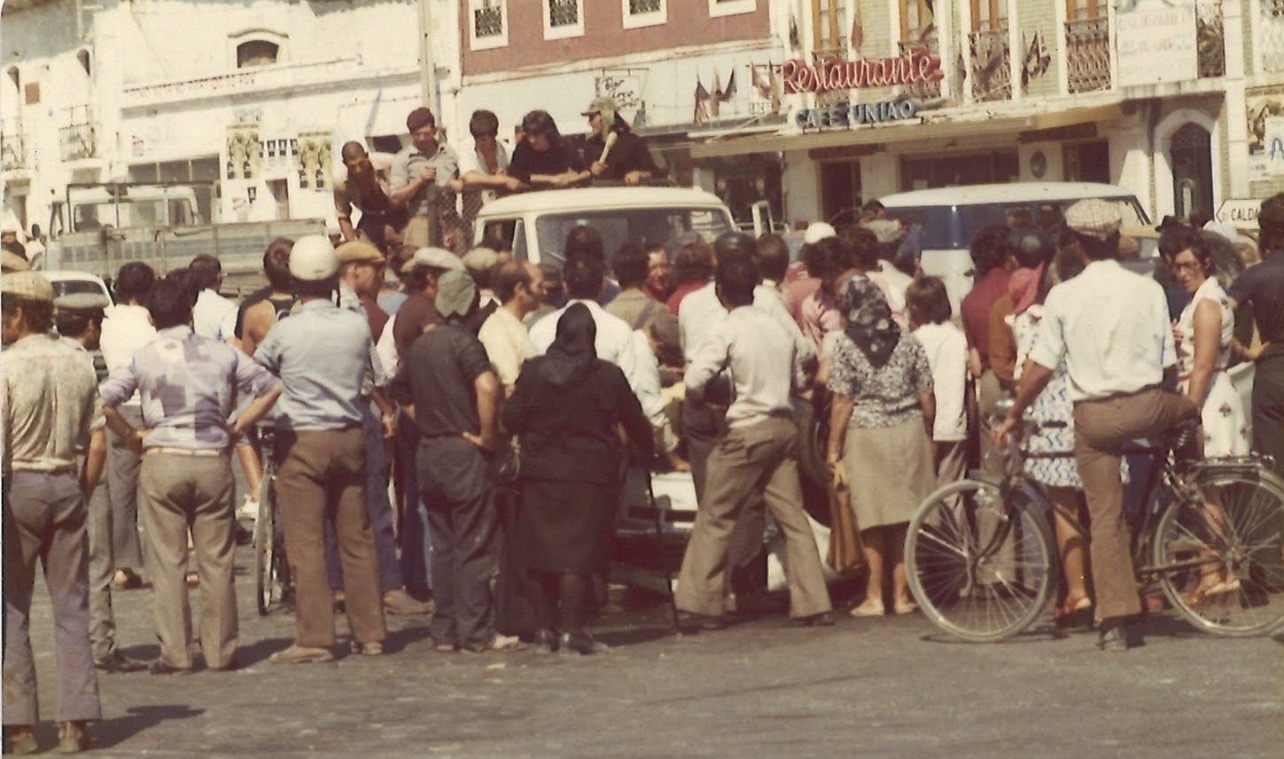
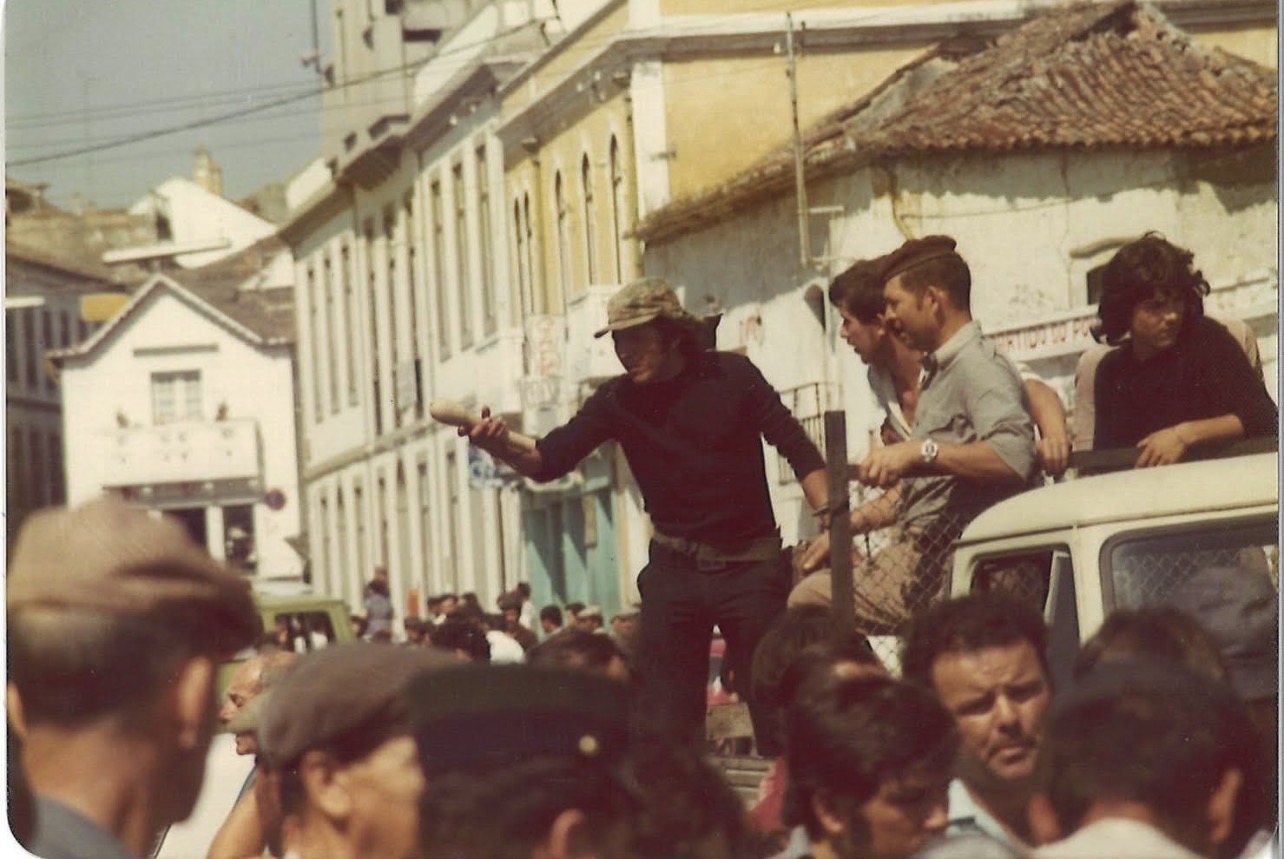
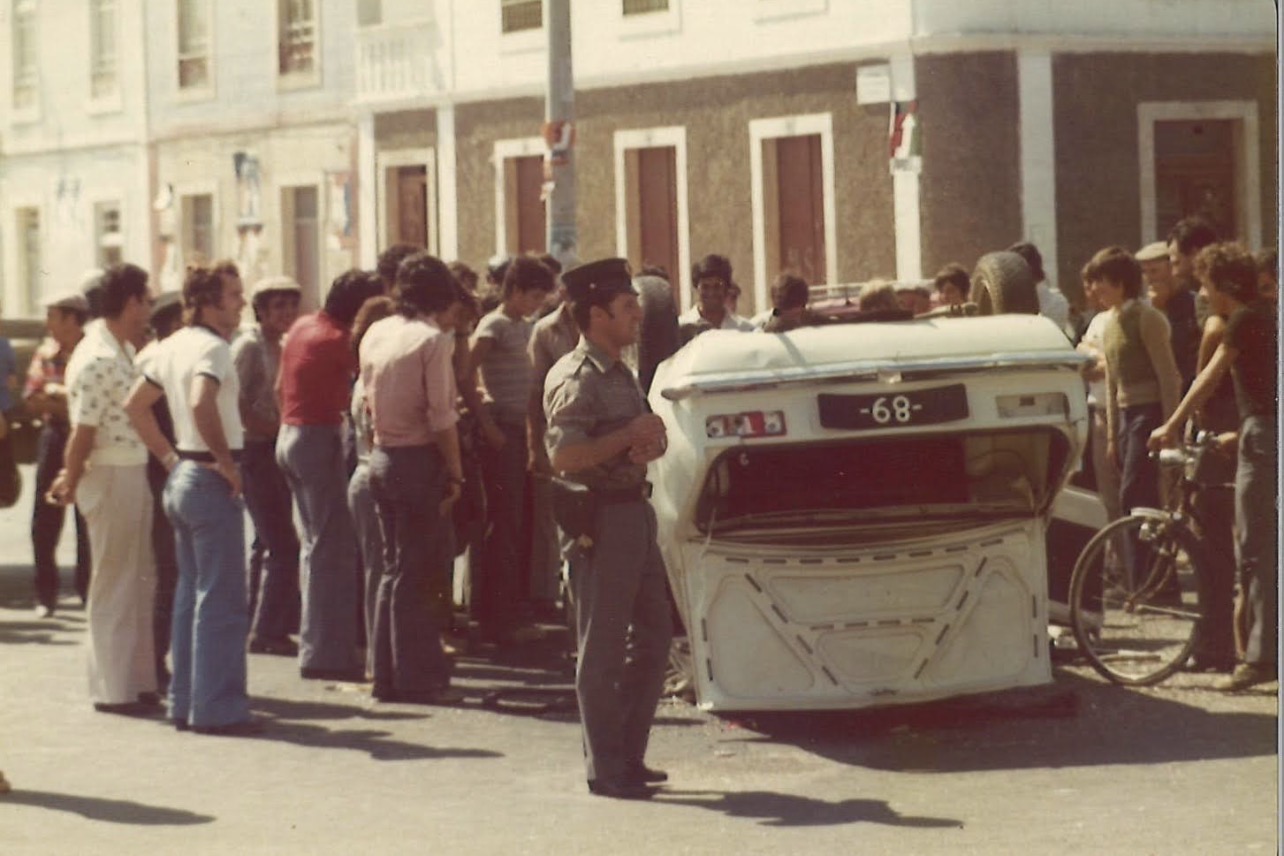
He went into the town square for aspirin. A crowd there had discovered a cache of weapons brought in overnight and was destroying the cars and the guns, and it took the visitor from America for a communist and very nearly killed him before three cousins appeared in the square and got him out.
Back at the Car
He came back to the car white as a ghost and told his wife, Barbara, three things: that he had almost been killed, that the crowd had been a blur in which he could not make out a single face, and that he had forgotten to buy the aspirin. Before the crowd turned on him, he had taken the photographs below.
More photographs (1)
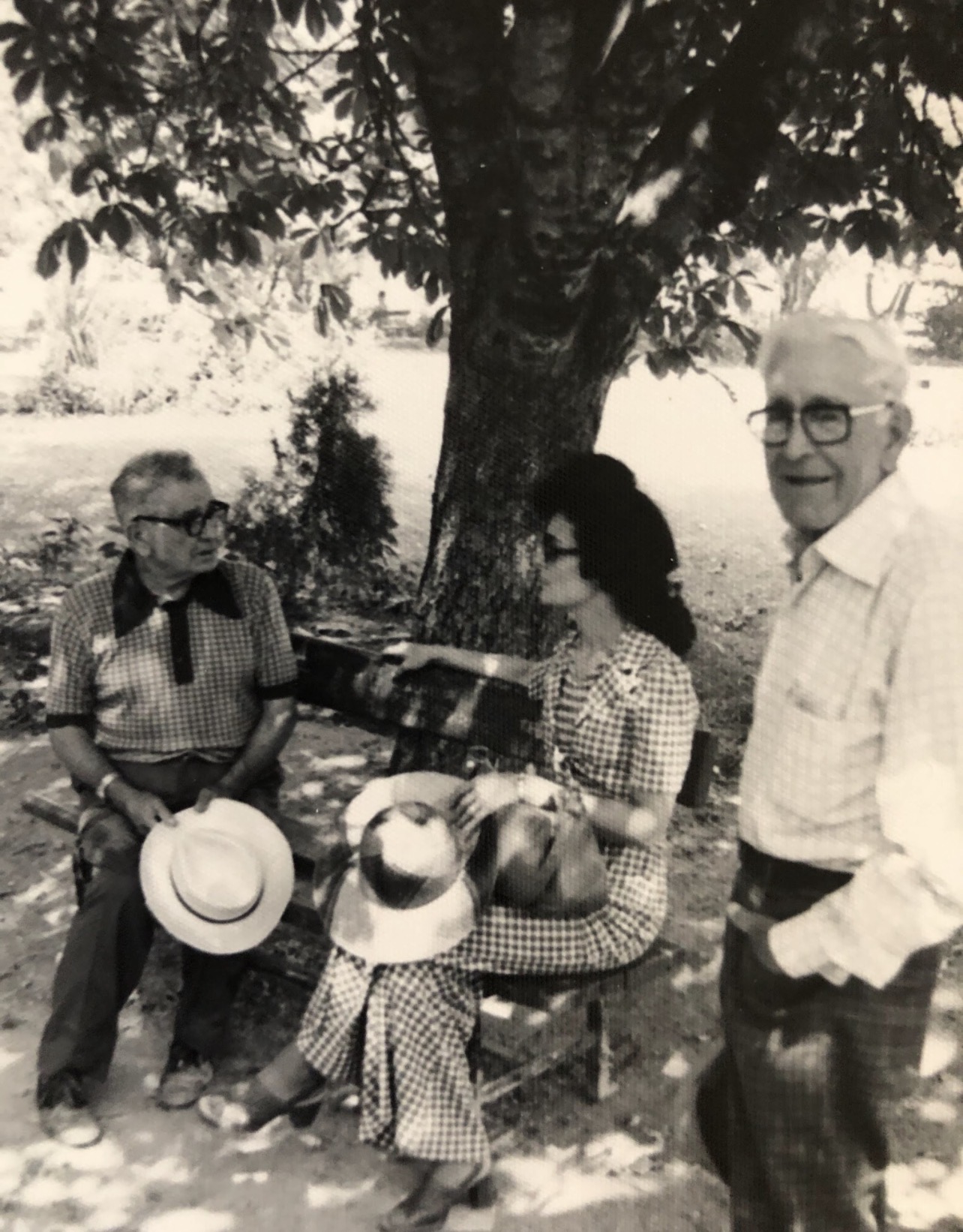
Marseille, September 1, 1975
Paul, then sixteen, heard the story from his mother on September 1, 1975, when his parents visited him at La Millière, the Barraud family’s country estate on the outskirts of Marseille, where he was spending the summer learning French.
A Watershed
He had followed the revolution since April 1974, but that morning in Rio Maior became a watershed for the Manuel family, and it set the direction of his life and his career. The questions it raised — how a revolution made in Lisbon by a group of captains could reach a market town in the Ribatejo and nearly take the life of a Portuguese American from Rhode Island — took him to the University of Lisbon to study Portuguese in 1978, to Coimbra as a Fulbright scholar in 1990–1991, and finally to the officers of April 25 themselves, whose interviews became Voices of the Revolution (2019) and Vozes da Revolução (2024).
The Moca
The moca, a studded wooden club, became the emblem of Rio Maior in the summer of 1975, when the farmers who attacked the town’s Communist Party office carried it. His father was given this one as a gift some time after August 26, 1975. Dr. Manuel still keeps it, and for him it marks the day the revolution found his father.
